Tracing the 2022 Racing Trends with Juan Camilo Perez
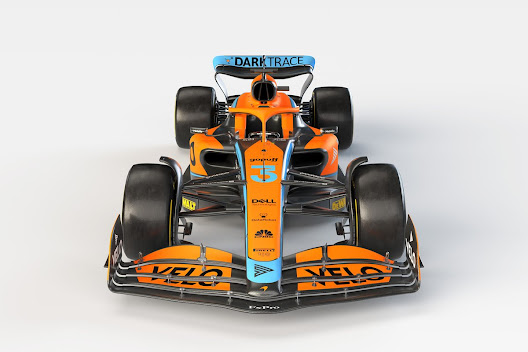
The growth of the car racing industry has been rampant,and it opened more doors of improvement and expansion worldwide. More enthusiasts and fans were given a chance to witness the race, especially due to the power of media coverage. However, not all matters are shown to the media, especially the future plans. Good thing we were able to get some news with Juan Camilo Perez Buitrago! Today, we’ll learn about some of the latest car racing trends.
Business Agility and Development
The digital transformation is having an impact on the sector in a number of ways. Carmakers and suppliers have been pushed to expand their software skills and adapt to rampant digitalization, whether it’s high-tech product engineering and development, mass customization, automated manufacturing, or digital sales channels. The increasing quantity of technology utilized in automobiles is requiring developers to modernize the way they create new items in and of themselves.
In such a fast-changing and software-heavy environment, Agile (iterative and incremental) techniques are becoming more important in the creation of mobile software and the way businesses conduct themselves in the marketplace. Also, business agility, cloud-based solutions, and Agile development approaches are all becoming increasingly popular ways to deliver the flexibility and on-demand scalability required to succeed in today’s (and tomorrow’s) automotive market. They give automakers the flexibility to respond to changes and new possibilities, launch new business models, and adopt new technology as they emerge.
Hydrogen Fuel
Fuel cell electric vehicles are expected to make their official debut in 2022. While the technology has been around for a long time (the notion was originally demonstrated in the early 1800s), more strict emission control requirements were required to develop innovation in the industry truly.
Using hydrogen as a fuel source could help achieve global environmental goals: fuel cell-powered electric vehicles charge faster, have a longer effective range, and only release water as a byproduct of their operation. Of course, the infrastructure to refuel these vehicles is still largely lacking, but policymakers in the United Kingdom, the European Union, and worldwide are making progress.
Cars like the Toyota Mirai, one of the first commercial deployments of fuel cell technology in a mass-produced vehicle, are supposed to pave the way for this clean technology; we’ll see if 2022 is the year it ultimately succeeds.

Comments
Post a Comment